
Single-dose antibiotic after operative vaginal birth,
does it really help with Reduced maternal infection within six weeks after birth?
research showsThe grade is B. ANODE randomized 3,427 women and included 3,420 in the analysis population. Confirmed or suspected infection within six weeks occurred in 180/1,619 (11%) with antibiotic versus 306/1,606 (19%) with placebo, RR 0.58 (95% CI 0.49 to 0.69). This was a large double-blind trial with a hard infection outcome and an absolute difference of about eight points, but the older cefotetan study used a different drug and narrower outcome and cannot serve as independent replication of the same result, giving B with 72 points.
ads claimThe result applies to a specific one-time intravenous prophylactic regimen delivered by clinicians after operative vaginal birth. It does not establish benefit after spontaneous birth, cesarean birth, established infection, or self-directed oral antibiotic use.
Useful facts when choosing a product
- ANODE used a single intravenous dose containing amoxicillin 1 g and clavulanic acid 200 mg.
- It was administered within six hours after operative vaginal birth, with a median timing of about three hours.
- Existing verdict 1923 concerns treatment of infant acute otitis media, not maternal infection prophylaxis.
Chamgap Semantic Classification Code
Candidate index · review held
M.one-intravenous-dose-of-amoxicillin-plus-clavulanic-acid-within-after-forceps-or-vacuum-birth.MULTI.maternal-infection-within-after-birth.reduce.MULTIMedicinal interventions > One intravenous dose of amoxicillin plus clavulanic acid within after forceps or vacuum birth > Multiple: primary unresolved > maternal infection within after birth > Reduction claim > Multiple: primary unresolved
An automated migration candidate, not an issued permanent code; exact claim scope remains under review. This machine-generated migration candidate helps retrieval but is not a permanent assignment. The original verdict ID and URL remain authoritative.
What the research actually shows
Knight's ANODE trial randomized 3,427 women at 27 UK hospitals and administered co-amoxiclav or saline a median of about three hours after birth. The analysis population was 3,420, while primary-outcome denominators were 1,619 and 1,606. We cross-checked the intervention, comparator, and six-week infection outcome against ISRCTN11166984. The Heitmann and Benrubi trial randomized 393 participants to cefotetan or no treatment; its registration and funding were not confirmed. Verdict 1923 concerns amoxicillin-clavulanate treatment of acute otitis media in infants, a different indication.
Why this is classified as B (72)
A large double-blind trial showed a substantial reduction in actual maternal infection, but only one pivotal trial addresses the identical regimen and outcome and its primary definition changed during the study, giving B with 72 points.
Counterpoint. B does not mean the observed effect was small. It means exact independent confirmation of the same clinical question remains limited.
Rejudgment record. Cross-check applied — We cross-checked randomization and analysis counts, the primary infection definition, events, confidence interval, funding, and the mid-trial outcome-definition change against ANODE and its registry, while separating the 1989 trial as indirect support.
| Endpoint | H | Hard endpoint - actual events such as death |
| Replication | R1 | Single confirmatory trial |
| Independence | I1 | Mixed funding sources |
| Effect size | E+ | Meets the clinically important threshold |
Stored derived and displayed grades match; this is not a current recalculation or validity check (B).
Sub-claim grades by effect
This ingredient is marketed for several effects. A single overall grade blends strong and weak claims together, so each effect is graded separately here. The overall grade reflects the strongest disconfirming or core claim.
| Effect (sub-claim) | Grade | Basis |
|---|---|---|
| One intravenous co-amoxiclav dose after operative vaginal birth reduces maternal infection within six weeks. | B | ANODE found 11% versus 19%, RR 0.58. |
| One cefotetan dose after operative vaginal birth reduces endometritis. | C | One 393-participant trial found 0/192 versus 7/201, but its corrected interval was wide and funding and registration were unconfirmed. |
Cross-check — AI research and Codex final gate
Evidence Table
| Study | Design | Sample | Funding | Endpoint | Result | Weight |
|---|---|---|---|---|---|---|
| Knight M et al., ANODE 2019 | Twenty-seven-center double-blind placebo-controlled randomized trial | 3,427 randomized and 3,420 in the analysis population; primary-outcome denominators 1,619 and 1,606 | NIHR Health Technology Assessment programme | Confirmed or suspected maternal infection within six weeks | 180/1,619 (11%) versus 306/1,606 (19%), RR 0.58 (95% CI 0.49 to 0.69), P<0.0001 | Pivotal large publicly funded clinical-infection evidence |
| Heitmann JA and Benrubi GI 1989 | Randomized trial of cefotetan versus no treatment | 393 randomized, 192 versus 201 | Funding not confirmed; no registration number confirmed | Postpartum endometritis | 0/192 versus 7/201; original article P<0.01, WHO and Cochrane continuity-corrected RR 0.07 (95% CI 0.00 to 1.21) | Directionally supportive but indirect because drug, comparator, and endpoint differed |
Receipt — 2 References
Of 2 cited sources, 1 had limited original-page access (blocked or summary-only) and were verified via index/summary, marked partial; the rest were verified at the original page. As of 2026-08-14.
Final verification and publication gate: Codex · Evidence date: 2026-08-14 · Corrections: none
Cite this verdict
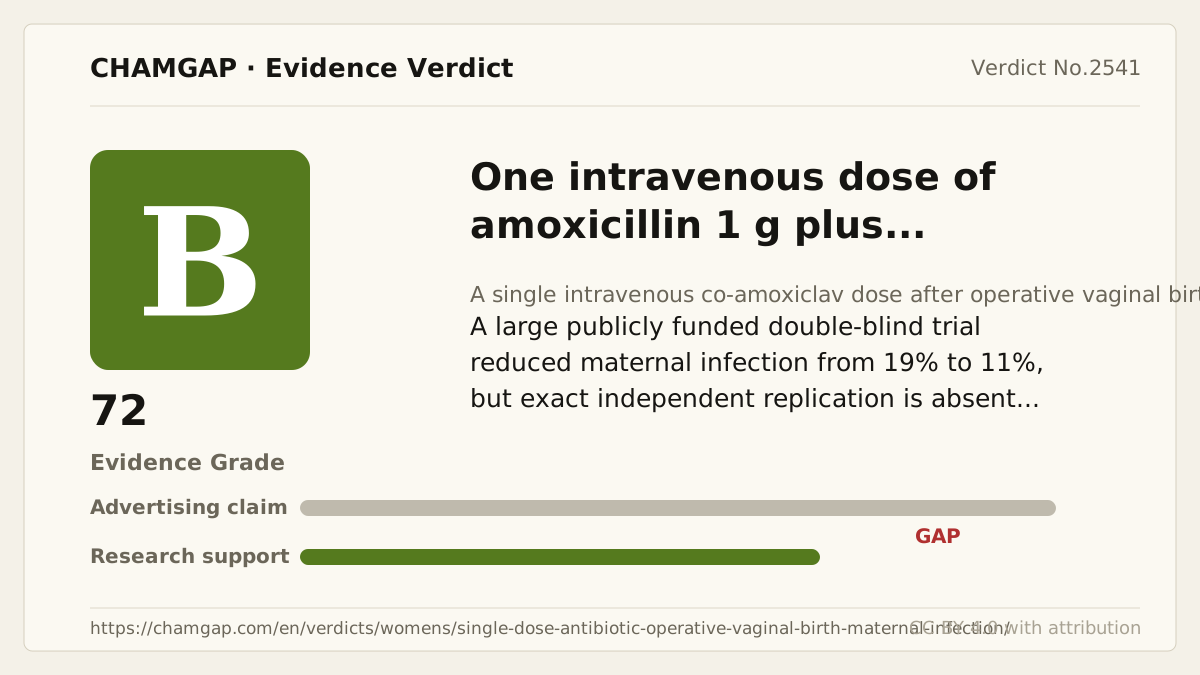
[Chamgap] Single-dose antibiotic after operative vaginal birth x maternal infection — Evidence Grade B·72. 2 cited sources checked. Source: https://chamgap.com/en/verdicts/womens/single-dose-antibiotic-operative-vaginal-birth-maternal-infection/ · CC BY 4.0CC BY 4.0 — free to use with attribution; do not distort grades, numbers, or verdict meaning.
What this document does and does not do
Chamgap is an information source. It reports what research has and has not confirmed; it does not tell readers what to take or buy. That decision belongs to readers and, when needed, medical or legal professionals. This verdict reflects literature available up to the search date and may change as new research appears. Nothing here is medical advice.