
Linzagolix,
does it really help with Reduction of uterine-fibroid-associated heavy menstrual bleeding to the clinical response threshold?
research showsLinzagolix met the week-24 bleeding-response primary endpoint in both similarly designed double-blind phase 3 PRIMROSE trials, with analysis populations of 511 and 501. Heavy-bleeding reduction is a patient treatment target and replicated phase 3 benefit yields high-end B with 75 points.
ads claimMarketing may imply a nonsurgical cure, but the established benefit is control of heavy bleeding while treated, not permanent fibroid removal or durable benefit after withdrawal.
Useful facts when choosing a product
- Linzagolix is a once-daily oral GnRH-receptor antagonist that suppresses gonadal hormones in a dose-dependent manner.
- Doses of 100 mg or 200 mg are used, and 200 mg is generally paired with estradiol and norethisterone acetate add-back therapy.
- The pivotal response required menstrual blood loss no greater than 80 mL and at least a 50% reduction from baseline.
- Hot flushes and bone-mineral-density loss were more prominent with unopposed high-dose therapy, so dose, add-back therapy, and duration require prescriber oversight.
Chamgap Semantic Classification Code
Candidate index · review held
M.linzagolix.oral.uterine-fibroid-associated-heavy-menstrual-bleeding-to-the-clinical-response-threshold.reduce.placeboMedicinal interventions > Linzagolix > Oral > uterine-fibroid-associated heavy menstrual bleeding to the clinical response threshold > Reduction claim > Placebo
An automated migration candidate, not an issued permanent code; exact claim scope remains under review. This machine-generated migration candidate helps retrieval but is not a permanent assignment. The original verdict ID and URL remain authoritative.
What the research actually shows
PRIMROSE 1 and 2 were similarly designed double-blind phase 3 trials with analysis populations of 511 and 501. Both met the week-24 primary response of menstrual blood loss no greater than 80 mL and at least 50% below baseline, replicating a patient treatment-target endpoint.
Why this is classified as B (75)
Success on a patient treatment-target bleeding response in two similarly designed double-blind phase 3 trials of 511 and 501 patients yields high-end B with 75 points.
Counterpoint. Anemia and quality-of-life gains are supportive, while post-withdrawal recurrence and long-term bone health remain important.
Rejudgment record. Cross-check applied — Consistent success on a prespecified patient-centered bleeding response in two regional phase 3 trials, tempered by one sponsor program and a 24-week pivotal period
Sub-claim grades by effect
This ingredient is marketed for several effects. A single overall grade blends strong and weak claims together, so each effect is graded separately here. The overall grade reflects the strongest disconfirming or core claim.
| Effect (sub-claim) | Grade | Basis |
|---|---|---|
| Reduced uterine-fibroid-associated menstrual blood loss | B | Prespecified response succeeded in two phase 3 trials. |
| Improved anemia | C | Hemoglobin improvement was supportive. |
| Improved health-related quality of life | C | A positive supportive endpoint within the sponsor program. |
Cross-check — AI research and Codex final gate
Evidence Table
| Study | Design | Sample | Funding | Endpoint | Result | Weight |
|---|---|---|---|---|---|---|
| Donnez J et al. 2022 (PRIMROSE 1 and 2) | Two randomized double-blind placebo-controlled phase 3 trials | 1,109 enrolled; 1,012 analyzed | ObsEva | Week-24 menstrual-blood-loss response | Every regimen was superior to placebo in both trials (p≤0.003). | Pivotal confirmatory evidence |
| Donnez J et al. 2025 | PRIMROSE extension and withdrawal analysis | 1,012 analyzed | ObsEva/Theramex-associated | Week-52 maintenance and post-withdrawal bleeding | Responses persisted through week 52; bleeding commonly returned after withdrawal. | Supportive longer-term evidence |
Receipt — 2 References
All 2 cited sources were verified for existence at the original page (as of 2026-07-24).
Final verification and publication gate: Codex · Evidence date: 2026-07-24 · Corrections: none
Cite this verdict
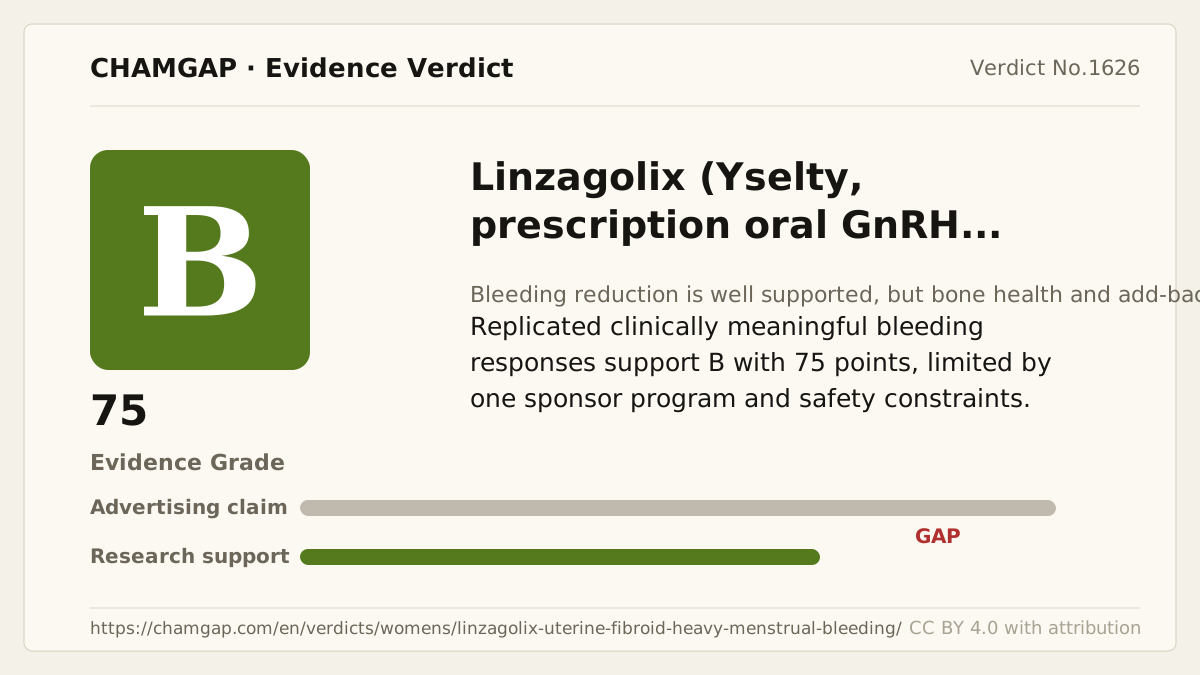
[Chamgap] Linzagolix x reduced heavy menstrual bleeding associated with uterine fibroids — Evidence Grade B·75. 2 cited sources checked. Source: https://chamgap.com/en/verdicts/womens/linzagolix-uterine-fibroid-heavy-menstrual-bleeding/ · CC BY 4.0CC BY 4.0 — free to use with attribution; do not distort grades, numbers, or verdict meaning.
What this document does and does not do
Chamgap is an information source. It reports what research has and has not confirmed; it does not tell readers what to take or buy. That decision belongs to readers and, when needed, medical or legal professionals. This verdict reflects literature available up to the search date and may change as new research appears. Nothing here is medical advice.