
Antibiotic-corticosteroid drops,
does it really help with Improved otorrhea resolution and clinical cure versus oral amoxicillin-clavulanate or observation?
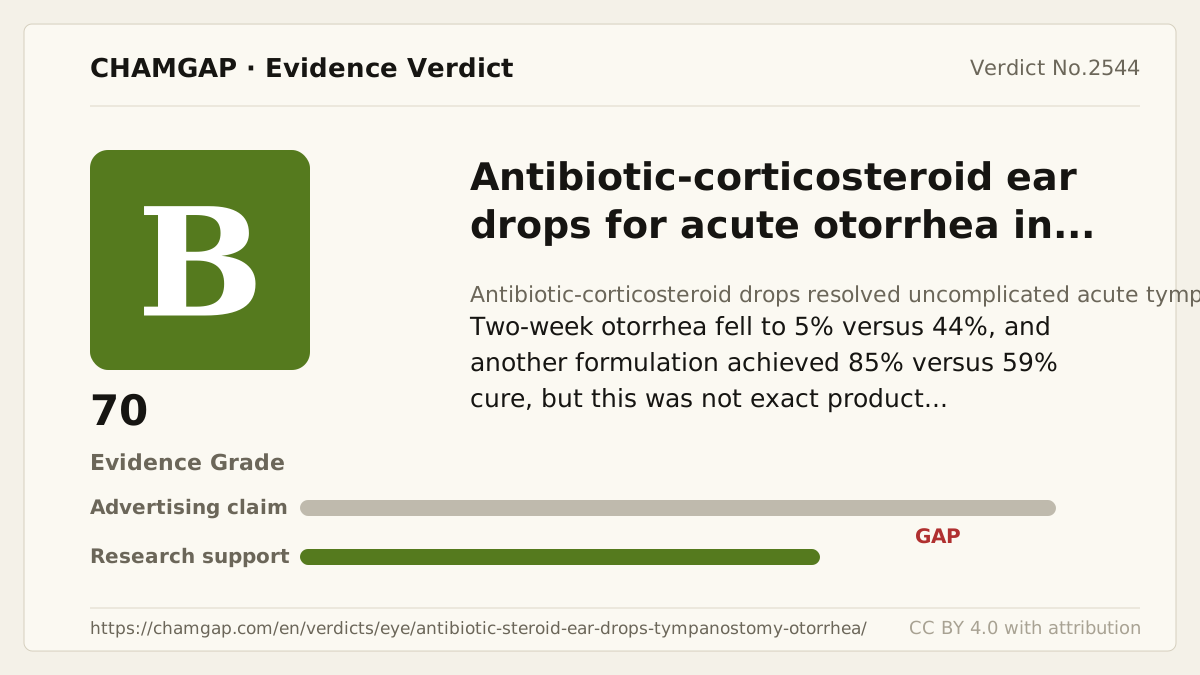
research showsThe grade is B. In a 230-child Dutch pragmatic trial, otorrhea at two weeks was 5% with drops, 44% with oral antibiotics, and 55% with observation. The risk difference versus oral treatment was -39 points (95% CI -51 to -26). A separate observer-masked 80-child trial found 85% versus 59% clinical cure and median otorrhea cessation at four versus seven days with ciprofloxacin-dexamethasone drops versus oral co-amoxiclav. Effects were large and consistent, but formulations differed and the second trial was small and manufacturer funded, giving B with 70 points.
ads claimThis does not mean any skin antibiotic or old ear-drop bottle is safe through a tube. With a tympanostomy tube or perforation, clinicians should choose an otic formulation with low ototoxic potential and the correct regimen.
Useful facts when choosing a product
- Van Dongen used hydrocortisone-bacitracin-colistin drops for seven days.
- Dohar used ciprofloxacin 0.3% plus dexamethasone 0.1% for seven days, while oral therapy lasted ten days.
- Different drop formulations prevent treating the studies as exact replication of one product.
Chamgap Semantic Classification Code
Candidate index · review held
M.antibiotic-corticosteroid-ear-drops.UNK.otorrhea-resolution-and-clinical-cure.improve.UNKMedicinal interventions > Antibiotic-corticosteroid ear drops > Unknown > otorrhea resolution and clinical cure > Improvement claim > Unknown
An automated migration candidate, not an issued permanent code; exact claim scope remains under review. This machine-generated migration candidate helps retrieval but is not a permanent assignment. The original verdict ID and URL remain authoritative.
What the research actually shows
Van Dongen randomized 230 children aged one to ten, 76/77/77, and used the NTR1481 two-week otoscopic outcome as primary. An independent data manager generated blocks and allocation was concealed through a website, but treatment and assessment were not fully masked. Dohar randomized 80 children and analyzed otorrhea cessation in 79 with observer masking. No registration number was confirmed, and Alcon Research support was identified.
Why this is classified as B (70)
Large benefits in actual otorrhea and clinical cure appeared in two trials, but formulation differences plus open assessment and a small manufacturer-funded study give B with 70 points.
Counterpoint. B does not support drops for every type of ear discharge. It applies to uncomplicated acute tympanostomy-tube otorrhea.
Rejudgment record. Cross-check applied — We cross-checked randomized and analyzed counts, primary otorrhea and cure outcomes, formulations, allocation and observer masking, and public versus manufacturer funding in both articles.
| Endpoint | H | Hard endpoint - actual events such as death |
| Replication | R1 | Single confirmatory trial |
| Independence | I1 | Mixed funding sources |
| Effect size | E+ | Meets the clinically important threshold |
Stored derived and displayed grades match; this is not a current recalculation or validity check (B).
Sub-claim grades by effect
This ingredient is marketed for several effects. A single overall grade blends strong and weak claims together, so each effect is graded separately here. The overall grade reflects the strongest disconfirming or core claim.
| Effect (sub-claim) | Grade | Basis |
|---|---|---|
| Antibiotic-corticosteroid drops resolve uncomplicated acute tympanostomy-tube otorrhea better than oral therapy or observation. | B | The two-week risk difference versus oral therapy was -39 points. |
| Ciprofloxacin-dexamethasone drops improve clinical cure over oral co-amoxiclav. | C | A manufacturer-funded 80-child trial found 85% versus 59% cure, with no registration number confirmed. |
Cross-check — AI research and Codex final gate
Evidence Table
| Study | Design | Sample | Funding | Endpoint | Result | Weight |
|---|---|---|---|---|---|---|
| van Dongen TMA et al. 2014 | Three-arm open-label pragmatic randomized trial | 230 randomized, 76/77/77 | Netherlands Organization for Health Research and Development | Otoscopically observed otorrhea two weeks after assignment | 5% versus 44% versus 55%; drops minus oral -39 points (95% CI -51 to -26), drops minus observation -49 (-62 to -37) | Pivotal publicly funded clinical-otorrhea evidence |
| Dohar J et al. 2006 | Observer-masked multicenter randomized trial | 80 randomized; 79 in the otorrhea-cessation analysis | Supported by Alcon Research Ltd; no registration number confirmed | Clinical cure at 18 to 21 days and time to cessation of otorrhea | Clinical cure 85% versus 59%; median otorrhea cessation four versus seven days | Small manufacturer-funded supporting trial of a different formulation |
Receipt — 2 References
Of 2 cited sources, 1 had limited original-page access (blocked or summary-only) and were verified via index/summary, marked partial; the rest were verified at the original page. As of 2026-08-14.
Final verification and publication gate: Codex · Evidence date: 2026-08-14 · Corrections: none
Cite this verdict
[Chamgap] Antibiotic-corticosteroid drops x acute tympanostomy-tube otorrhea — Evidence Grade B·70. 2 cited sources checked. Source: https://chamgap.com/en/verdicts/eye/antibiotic-steroid-ear-drops-tympanostomy-otorrhea/ · CC BY 4.0CC BY 4.0 — free to use with attribution; do not distort grades, numbers, or verdict meaning.
What this document does and does not do
Chamgap is an information source. It reports what research has and has not confirmed; it does not tell readers what to take or buy. That decision belongs to readers and, when needed, medical or legal professionals. This verdict reflects literature available up to the search date and may change as new research appears. Nothing here is medical advice.