
Omega-3 fatty acids,
does it really help with Reduced pain intensity and analgesic use in primary dysmenorrhea?
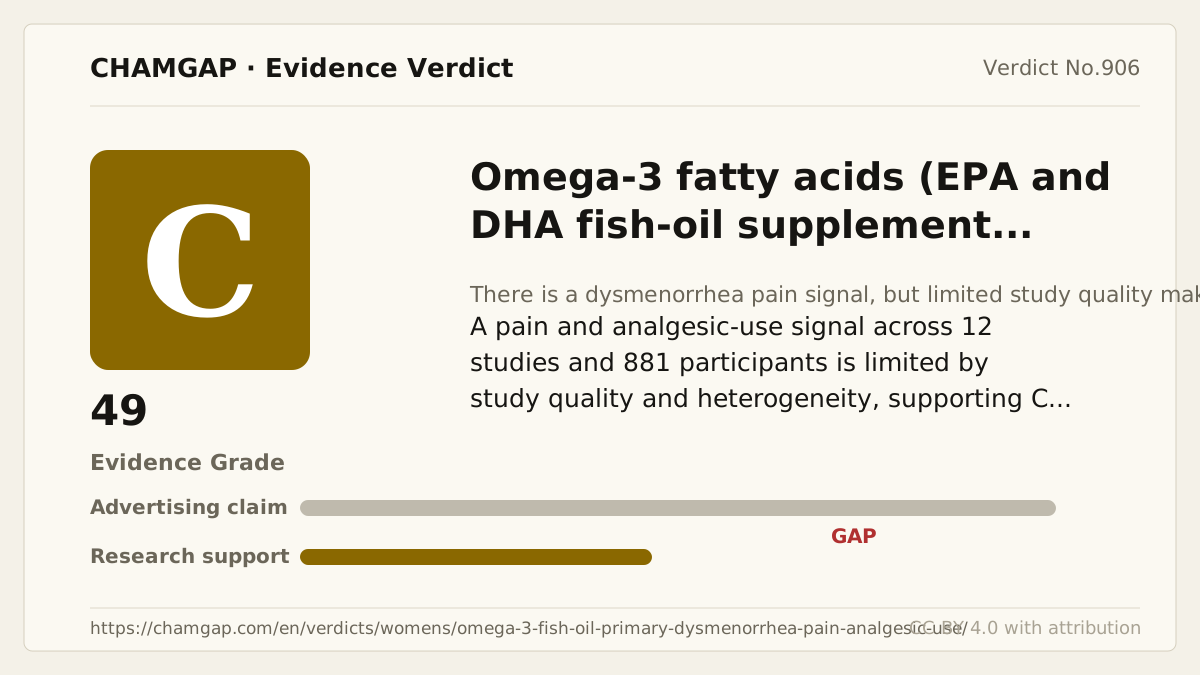
research showsFish-oil-derived EPA and DHA are rated C because they may reduce pain and rescue-analgesic use in primary dysmenorrhea. A 2024 systematic review synthesized 12 studies with 881 participants and found a pain-reduction signal; 86% of studies measuring analgesic use reported a reduction. However, 83% of the included studies were of neutral quality, samples were small, and doses, formulations, and outcome methods varied. This evidence does not establish fish oil as a replacement for first-line NSAIDs such as ibuprofen. Potential bleeding, fishy aftertaste, and gastrointestinal symptoms are separated under safety.
ads claimMarketing converts anti-inflammatory and prostaglandin mechanisms into freedom from analgesics. The actual evidence is mainly small, short-term, and based on subjective pain scales, without proof of superiority to or replacement of NSAIDs.
Useful facts when choosing a product
- Studies generally used long-chain omega-3 products containing EPA and DHA at 300 to 1,800 mg per day for two or three months, and total fish-oil weight is not the same as the actual EPA-plus-DHA amount.
- Fish oil, concentrated fish oil, and krill oil differ in fatty-acid composition and dose, so results from a specified intervention cannot be transferred to every retail product.
- Omega-3 supplements can cause a fishy aftertaste, belching, heartburn, nausea, or diarrhea.
- People using high doses, taking anticoagulant or antiplatelet medicines, or approaching surgery should review potential bleeding risk with a clinician.
Chamgap Semantic Classification Code
Candidate index · review held
S.omega-3-fatty-acids.UNK.pain-intensity-and-analgesic-use-in-primary-dysmenorrhea.reduce.placeboSupplements and nutraceuticals > Omega-3 fatty acids > Unknown > pain intensity and analgesic use in primary dysmenorrhea > Reduction claim > Placebo
An automated migration candidate, not an issued permanent code; exact claim scope remains under review. This machine-generated migration candidate helps retrieval but is not a permanent assignment. The original verdict ID and URL remain authoritative.
What the research actually shows
Rahbar et al. 2012 randomized 95 women with primary dysmenorrhea in a double-blind crossover trial comparing three months of omega-3 with three months of placebo. Pain and rescue-ibuprofen tablet use fell during omega-3 treatment. Mohammadi et al. 2022 synthesized randomized trials and reported lower pain severity, although uncertainty around effect size and heterogeneity remained. Snipe et al. 2024 reviewed 12 studies with 881 participants and again found pain and analgesic-use signals, but 83% were of neutral quality and designs, doses, and products varied. The NSAID Cochrane review established first-line drug efficacy across 80 trials, restricting omega-3 to a possible adjunctive option.
Why this is classified as C (49)
Pain and analgesic-use reductions appeared across multiple studies, but the source classified 83% of the evidence as neutral quality and only eight studies entered the meta-analysis. Short duration, small samples, subjective pain endpoints, and formulation and measurement heterogeneity leave the evidence well below the B-with-78-points level for ibuprofen, supporting C with 49 points. Bleeding and gastrointestinal or fishy-aftertaste concerns remain independent safety issues.
Counterpoint. Omega-3 may be discussed as an adjunctive option for someone who cannot use NSAIDs or wants an additional nutritional approach. Severe, newly worsening, or atypical pain, abnormal bleeding, or pain during intercourse warrants evaluation for secondary dysmenorrhea.
Rejudgment record. New verdict — Accepted pain and analgesic-use reduction signals across 12 studies and 881 participants, but applied the rule ① ceiling of C because most evidence was of neutral quality, relied on small subjective-endpoint studies with substantial methodological heterogeneity, and did not establish replacement of NSAIDs
Sub-claim grades by effect
This ingredient is marketed for several effects. A single overall grade blends strong and weak claims together, so each effect is graded separately here. The overall grade reflects the strongest disconfirming or core claim.
| Effect (sub-claim) | Grade | Basis |
|---|---|---|
| Reduced pain intensity in primary dysmenorrhea | C | A reduction signal appeared across 12 studies and 881 participants, but most evidence was of neutral quality with major subjective-outcome and heterogeneity limitations. |
| Reduced rescue-analgesic use in primary dysmenorrhea | C | Several studies and a 95-participant crossover trial found reduced use, but reporting was limited and replacement of NSAIDs was not tested. |
Cross-check — AI research and Codex final gate
Evidence Table
| Study | Design | Sample | Funding | Endpoint | Result | Weight |
|---|---|---|---|---|---|---|
| Snipe RMJ et al. 2024 | Systematic review and meta-analysis | 12 studies and 881 women with dysmenorrhea | Funding source not stated in the public abstract | Dysmenorrhea pain severity, analgesic use, and adverse effects | Pain favored omega-3 and 86% of studies measuring analgesic use reported a reduction, but 83% of studies were of neutral quality. | Key synthesis with quality limitations |
| Mohammadi MM et al. 2022 | Systematic review and meta-analysis of randomized trials | Eligible randomized trials; total participant count not stated in the public abstract | Funding source not stated in the public abstract | Primary-dysmenorrhea pain severity | Omega-3 reduced pain severity, but effect-size heterogeneity and limitations of small subjective assessments remained (SMD -1.075, 95% CI -1.871 to -0.279). | Supportive synthesis |
| Rahbar N et al. 2012 | Randomized double-blind placebo-controlled crossover trial | 95 women aged 18 to 22 years | Funding source not stated in the public abstract | Pain intensity and rescue-ibuprofen use | After three months, omega-3 reduced pain intensity and the number of rescue-ibuprofen tablets versus placebo. | Direct positive but small trial |
Receipt — 4 References
All 4 cited sources were verified for existence at the original page (as of 2026-07-20).
Final verification and publication gate: Codex · Evidence date: 2026-07-20 · Corrections: none
Cite this verdict
[Chamgap] Omega-3 fatty acids x reduced pain intensity and analgesic use in primary dysmenorrhea — Evidence Grade C·49. 4 cited sources checked. Source: https://chamgap.com/en/verdicts/womens/omega-3-fish-oil-primary-dysmenorrhea-pain-analgesic-use/ · CC BY 4.0CC BY 4.0 — free to use with attribution; do not distort grades, numbers, or verdict meaning.
What this document does and does not do
Chamgap is an information source. It reports what research has and has not confirmed; it does not tell readers what to take or buy. That decision belongs to readers and, when needed, medical or legal professionals. This verdict reflects literature available up to the search date and may change as new research appears. Nothing here is medical advice.