
Ibandronate,
does it really help with Reduction of new morphometric vertebral fractures in women with postmenopausal osteoporosis?
research showsIbandronate is rated B because it reduces new morphometric vertebral fractures in women with postmenopausal osteoporosis. In the three-year, randomized, double-blind, placebo-controlled BONE trial of 2,946 women, oral 2.5 mg daily reduced new vertebral-fracture risk by 62%, while the trial's intermittent regimen reduced it by 50%. This was a directly measured radiographic fracture endpoint rather than bone mineral density alone. The pivotal fracture evidence is nevertheless concentrated in one manufacturer-led program, and reduction of hip or overall nonvertebral fractures has not been established. The commonly used 150-mg once-monthly regimen was bridged to daily therapy through bone-mineral-density noninferiority in the 1,609-participant MOBILE trial rather than a direct fracture trial. The evidence is therefore below the A verdicts for zoledronate in record 711 and risedronate in record 771 and aligns with the B range of alendronate in record 632, at 68 points.
ads claimMarketing can turn vertebral-fracture data into a promise that one monthly dose prevents every fracture, including hip fractures. The directly established effect concerns morphometric vertebral fractures in selected high-risk postmenopausal women, while the key monthly-dosing trial measured bone mineral density rather than fractures.
Useful facts when choosing a product
- Oral ibandronate is generally swallowed fasting with a full glass of plain water, followed by remaining upright and avoiding food or other medicines for the label-specified period to reduce esophageal irritation and poor absorption.
- The currently used once-monthly oral and every-three-month intravenous products have different administration requirements, contraindications, and renal considerations, so the prescribed label must be checked.
- Common adverse effects include upper gastrointestinal symptoms and musculoskeletal pain, while a transient acute-phase reaction can follow intravenous dosing.
- Osteonecrosis of the jaw and atypical femoral fracture are rare but recognized, and treatment duration or a drug holiday should follow reassessment of fracture risk.
Chamgap Semantic Classification Code
Candidate index · review held
M.ibandronate.UNK.new-morphometric-vertebral-fractures-with-postmenopausal-osteoporosis.reduce.MULTIMedicinal interventions > Ibandronate > Unknown > new morphometric vertebral fractures with postmenopausal osteoporosis > Reduction claim > Multiple: primary unresolved
An automated migration candidate, not an issued permanent code; exact claim scope remains under review. This machine-generated migration candidate helps retrieval but is not a permanent assignment. The original verdict ID and URL remain authoritative.
What the research actually shows
BONE assigned women with a lumbar-spine bone mineral density T score of -2.0 or lower and one to four prevalent vertebral fractures to placebo, ibandronate 2.5 mg daily, or an intermittent regimen of twelve 20-mg doses every three months. New vertebral-fracture risk fell by 62% and 50%, respectively, over three years. The MacLean 2008 systematic review judged the evidence for vertebral-fracture prevention with ibandronate to be good but showed that hip and nonvertebral effects differed among drugs. MOBILE randomized 1,609 women to monthly 50+50, 100, or 150 mg or daily 2.5 mg and compared spine and hip bone mineral density and bone-resorption markers. Monthly 150 mg met noninferiority and superiority criteria, but fracture incidence was not the primary endpoint.
Why this is classified as B (68)
The 62% reduction in new morphometric vertebral fractures over three years in the 2,946-participant BONE trial is a direct endpoint and is not subject to the surrogate-only C ceiling. The pivotal positive evidence is nevertheless concentrated in one industry-led program, hip and overall nonvertebral efficacy are unestablished, and monthly dosing relies mainly on a bone-density bridge. The result is B with 68 points. Gastrointestinal irritation, jaw osteonecrosis, and atypical femoral fracture are independent safety issues.
Counterpoint. Ibandronate can be a meaningful option for postmenopausal women with prevalent vertebral fracture or high vertebral-fracture risk. If hip-fracture prevention is the main priority, it should be compared with therapies that directly demonstrated a hip-fracture reduction.
Rejudgment record. New verdict — Accepted the direct reduction in new morphometric vertebral fractures in the large BONE randomized trial, but applied B because positive hard-endpoint evidence is concentrated in one industry-led vertebral program, hip and overall nonvertebral efficacy are unproven, and monthly dosing relies mainly on a bone-density noninferiority bridge
Sub-claim grades by effect
This ingredient is marketed for several effects. A single overall grade blends strong and weak claims together, so each effect is graded separately here. The overall grade reflects the strongest disconfirming or core claim.
| Effect (sub-claim) | Grade | Basis |
|---|---|---|
| Reduction of new morphometric vertebral fractures in women with postmenopausal osteoporosis | B | A large three-year placebo-controlled trial had a positive direct fracture endpoint, but pivotal evidence is concentrated in one industry-led program. |
| Reduction of nonvertebral fractures in women with postmenopausal osteoporosis | D | No consistent prospectively demonstrated reduction in nonvertebral fractures exists in the overall trial population. |
| Reduction of hip fractures in women with postmenopausal osteoporosis | D | Hip-fracture reduction has not been demonstrated in randomized ibandronate trials. |
Cross-check — AI research and Codex final gate
Evidence Table
| Study | Design | Sample | Funding | Endpoint | Result | Weight |
|---|---|---|---|---|---|---|
| Chesnut CH 3rd et al.; BONE. 2004 | Three-year randomized double-blind placebo-controlled fracture-prevention trial | 2,946 women with postmenopausal osteoporosis and prevalent vertebral fractures | Hoffmann-La Roche and GlaxoSmithKline development program | Incidence of new morphometric vertebral fracture over three years | Daily 2.5 mg and the intermittent regimen significantly reduced risk by 62% and 50%, respectively. | Pivotal randomized trial with a direct fracture endpoint |
| MacLean C et al. 2008 | Systematic review of comparative effectiveness of osteoporosis drugs | Fracture and adverse-event studies from 1966 through November 2007 | Public funding from the United States AHRQ and evidence review by RAND | Vertebral, nonvertebral, and hip fractures and adverse events | Evidence for vertebral-fracture prevention with ibandronate was judged good, while nonvertebral and hip effects were not uniform across drugs. | Independent confirmation of the evidence boundary |
| Reginster J-Y et al.; MOBILE. 2006 | Two-year randomized double-blind active-controlled noninferiority trial | 1,609 women with postmenopausal osteoporosis | Manufacturer-led ibandronate development trial | Lumbar-spine bone mineral density change and bone-resorption markers with monthly versus daily dosing | Monthly 150 mg was noninferior and superior to daily 2.5 mg for bone mineral density, but fracture reduction was not directly tested. | Surrogate bridging evidence for the current regimen |
Receipt — 3 References
All 3 cited sources were verified for existence at the original page (as of 2026-07-21).
Final verification and publication gate: Codex · Evidence date: 2026-07-21 · Corrections: none
Cite this verdict
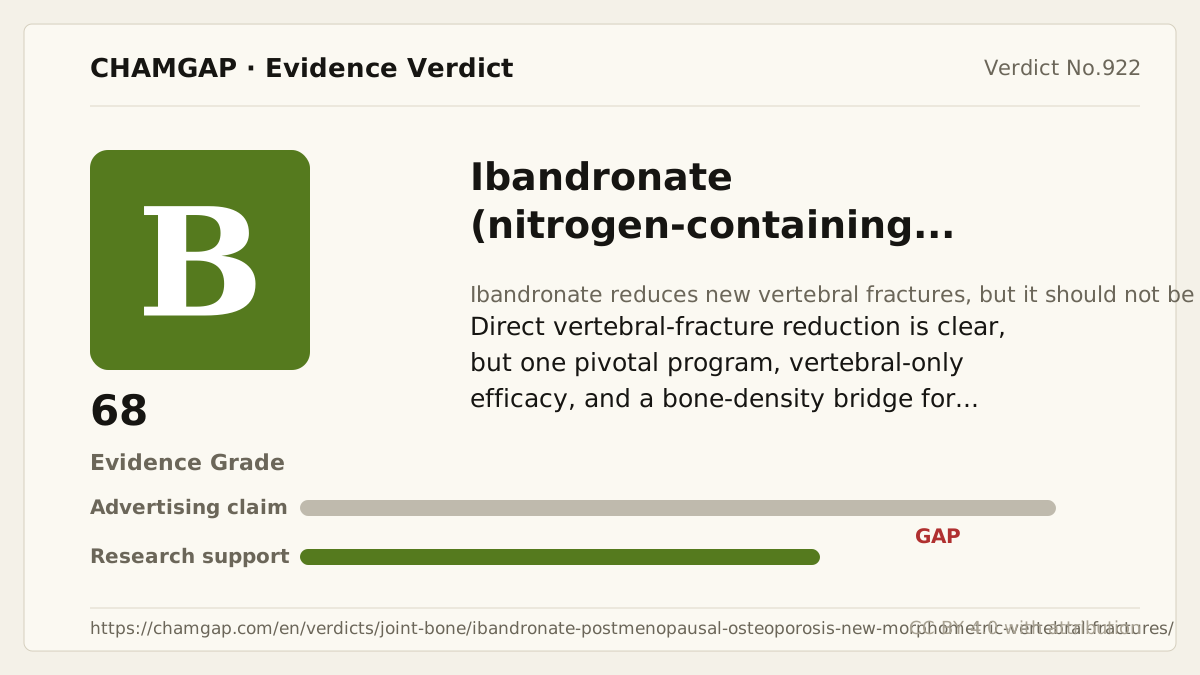
[Chamgap] Ibandronate x reduction of new morphometric vertebral fractures in postmenopausal osteoporosis — Evidence Grade B·68. 3 cited sources checked. Source: https://chamgap.com/en/verdicts/joint-bone/ibandronate-postmenopausal-osteoporosis-new-morphometric-vertebral-fractures/ · CC BY 4.0CC BY 4.0 — free to use with attribution; do not distort grades, numbers, or verdict meaning.
What this document does and does not do
Chamgap is an information source. It reports what research has and has not confirmed; it does not tell readers what to take or buy. That decision belongs to readers and, when needed, medical or legal professionals. This verdict reflects literature available up to the search date and may change as new research appears. Nothing here is medical advice.