
Oral vancomycin,
does it really help with Clinical cure of severe Clostridioides difficile infection?
research showsOral vancomycin is rated B for clinical cure of severe, nonfulminant Clostridioides difficile infection. In the pooled Johnson 2014 analysis of two multinational randomized trials, clinical success in severe infection was 78.5% with vancomycin versus 66.3% with metronidazole, favoring vancomycin. The evidence is active-controlled, recurrence after cure remained about 20%, and current guidance prefers fidaxomicin when resources permit, resulting in B with 75 points.
ads claimCalling it a powerful antibiotic can imply recurrence-free cure or empirical treatment for any diarrhea. Toxigenic infection and severity require confirmation, and fulminant disease needs a separate high-intensity combination approach.
Useful facts when choosing a product
- A common regimen for severe nonfulminant infection is oral vancomycin 125 mg four times daily for ten days, subject to the prescription and current guideline.
- Intravenous vancomycin does not achieve adequate intestinal-lumen concentrations for this indication; fulminant infection may require higher-dose oral or nasogastric vancomycin plus intravenous metronidazole.
- Systemic absorption is usually low, making nephrotoxicity less common than with intravenous therapy, but absorption can increase with severe colitis or kidney impairment.
- Nausea, abdominal discomfort, rare nephrotoxicity or hypersensitivity, selection of vancomycin-resistant enterococci, and post-treatment recurrence require attention.
Chamgap Semantic Classification Code
Candidate index · review held
UNK.vancomycin.oral.clinical-cure-of-severe-clostridioides-difficile-infection.assess.activeUnknown > vancomycin > Oral > Clinical cure of severe Clostridioides difficile infection > Association or change assessment > Active comparator
An automated migration candidate, not an issued permanent code; exact claim scope remains under review. This machine-generated migration candidate helps retrieval but is not a permanent assignment. The original verdict ID and URL remain authoritative.
What the research actually shows
Johnson and colleagues pooled two multinational randomized trials assigning patients with infection to oral tolevamer, vancomycin 125 mg every six hours for ten days, or metronidazole 375 mg every six hours for ten days. Tolevamer was inferior, and vancomycin produced greater clinical success than metronidazole overall and in severe infection. Severe-group success was 78.5% versus 66.3%, while recurrence among vancomycin clinical responders was 20.6%. The 2021 American College of Gastroenterology guideline recommends vancomycin 125 mg four times daily for ten days for an initial severe episode. IDSA/SHEA conditionally prefers fidaxomicin but retains vancomycin as an acceptable alternative.
Why this is classified as B (75)
The direct active-control randomized result of 78.5% versus 66.3% clinical success in severe infection and guideline support are credited. About 20% recurrence, the active comparator, and fidaxomicin as an alternative support B with 75 points.
Counterpoint. Vancomycin remains an effective standard alternative when cost and access matter. People at high risk of repeated recurrence may need fidaxomicin or a separate recurrence-prevention strategy.
Rejudgment record. New verdict — Credited superiority to metronidazole on direct clinical success in severe infection and guideline status, while active-control evidence, substantial recurrence, and fidaxomicin as an alternative limit the verdict to B
Sub-claim grades by effect
This ingredient is marketed for several effects. A single overall grade blends strong and weak claims together, so each effect is graded separately here. The overall grade reflects the strongest disconfirming or core claim.
| Effect (sub-claim) | Grade | Basis |
|---|---|---|
| Clinical cure of severe nonfulminant Clostridioides difficile infection | B | Direct clinical success was demonstrated in multinational randomized trials. |
| Superior clinical cure to metronidazole in severe infection | B | Vancomycin was superior, with 78.5% versus 66.3% success. |
| Sustained cure after initial treatment | C | About 20% of clinical responders relapsed, limiting sustained cure. |
Cross-check — AI research and Codex final gate
Evidence Table
| Study | Design | Sample | Funding | Endpoint | Result | Weight |
|---|---|---|---|---|---|---|
| Johnson S et al. PACT trials, 2014 | Pooled analysis of two multinational randomized active-control trials | 1,118 participants | Industry sponsored | Clinical success at end of therapy and subsequent recurrence | Clinical success in severe infection was 78.5% with vancomycin and 66.3% with metronidazole. | Key direct active-control randomized evidence |
| Kelly CR et al. ACG guideline, 2021 | Evidence-based clinical practice guideline | Body of evidence for adult infection | American College of Gastroenterology | Treatment of initial severe infection and recurrence | Recommended oral vancomycin 125 mg four times daily for ten days for an initial severe episode. | Guideline confirmation of standard use |
Receipt — 2 References
All 2 cited sources were verified for existence at the original page (as of 2026-07-23).
Final verification and publication gate: Codex · Evidence date: 2026-07-23 · Corrections: none
Cite this verdict
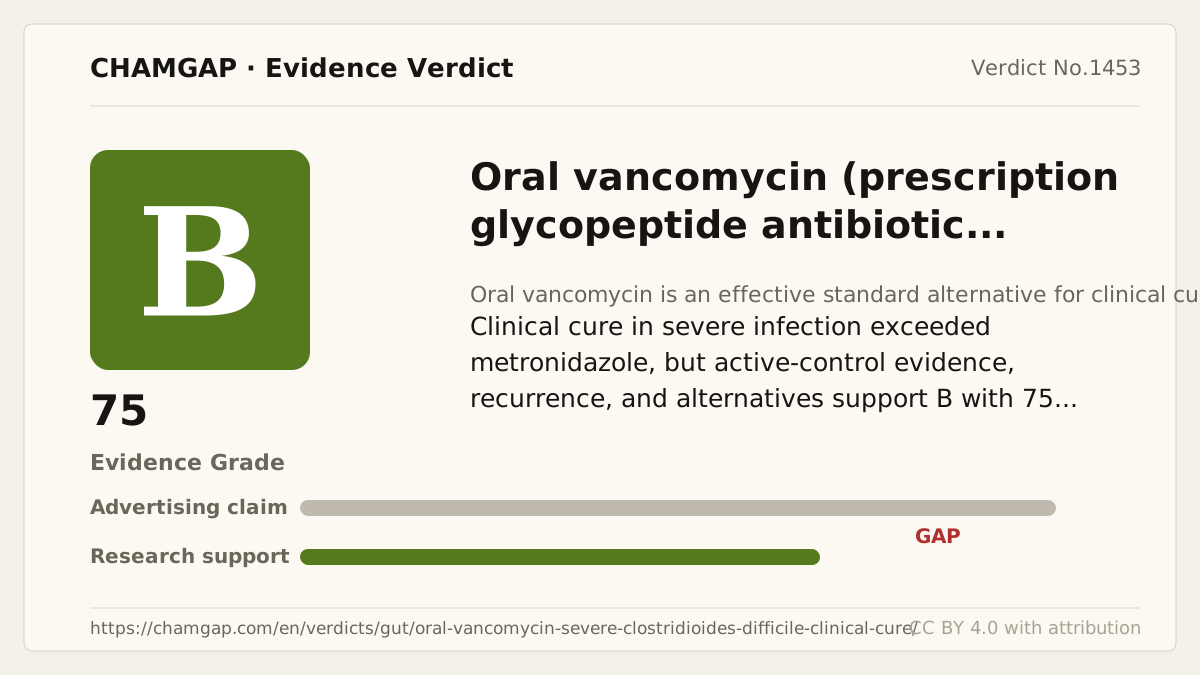
[Chamgap] Oral vancomycin x clinical cure of severe Clostridioides difficile infection — Evidence Grade B·75. 2 cited sources checked. Source: https://chamgap.com/en/verdicts/gut/oral-vancomycin-severe-clostridioides-difficile-clinical-cure/ · CC BY 4.0CC BY 4.0 — free to use with attribution; do not distort grades, numbers, or verdict meaning.
What this document does and does not do
Chamgap is an information source. It reports what research has and has not confirmed; it does not tell readers what to take or buy. That decision belongs to readers and, when needed, medical or legal professionals. This verdict reflects literature available up to the search date and may change as new research appears. Nothing here is medical advice.