
Fidaxomicin,
does it really help with Clinical cure of Clostridioides difficile infection and reduced post-treatment recurrence?
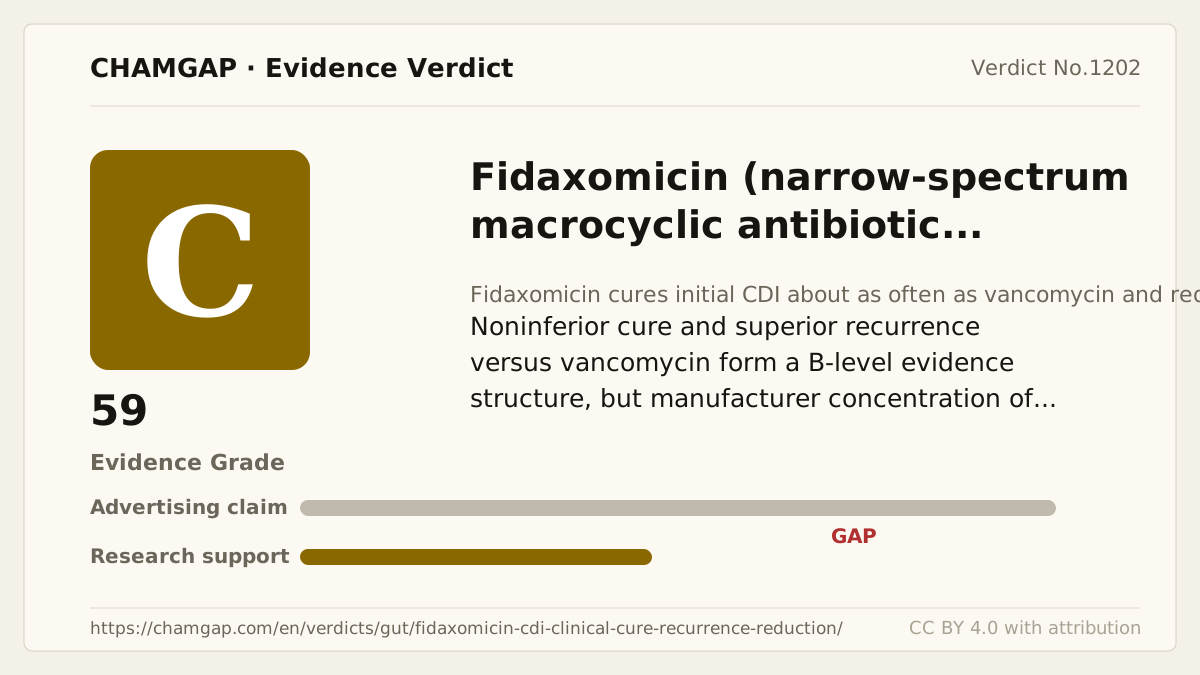
research showsFidaxomicin is rated C. In two phase 3 randomized double-blind trials, a 10-day fidaxomicin course was noninferior, not superior, to vancomycin for initial clinical cure, while recurrence over approximately four weeks was consistently lower. Recurrence was 15.4% versus 25.3% in the first trial and 12.7% versus 26.9% in the second. Both pivotal positive trials, however, were funded by the developer Optimer Pharmaceuticals, and recurrence was a secondary endpoint. The specified ceiling for an entirely manufacturer-funded positive evidence base therefore limits the grade to C. Fulminant, life-threatening CDI was not adequately represented, and high price is a separate treatment-selection issue.
ads claimPromotion can sound like recurrence-free cure for everyone. Some patients still fail treatment or recur, and superior initial diarrhea resolution versus vancomycin was not established. The clearest advantage is a lower recurrence rate during the weeks after treatment.
Useful facts when choosing a product
- United States adult labeling uses fidaxomicin 200 mg by mouth twice daily for 10 days, with or without food.
- Fidaxomicin acts mainly within the gut and has minimal systemic absorption, so it is not expected to treat other systemic infections.
- It should be used only for proven or strongly suspected C. difficile-associated diarrhea; fulminant CDI, ileus, or toxic megacolon requires a specialist severe-infection strategy.
- Nausea, vomiting, abdominal pain, and gastrointestinal bleeding have been reported, and acute hypersensitivity such as angioedema, dyspnea, or rash requires discontinuation. Acquisition cost and insurance access can materially affect treatment choice.
Chamgap Semantic Classification Code
Candidate index · review held
M.fidaxomicin.UNK.clinical-cure-of-clostridioides-difficile-infection-and-reduced-post-treatment-recurrence.reduce.activeMedicinal interventions > Fidaxomicin > Unknown > Clinical cure of Clostridioides difficile infection and reduced post-treatment recurrence > Reduction claim > Active comparator
An automated migration candidate, not an issued permanent code; exact claim scope remains under review. This machine-generated migration candidate helps retrieval but is not a permanent assignment. The original verdict ID and URL remain authoritative.
What the research actually shows
The North American OPT-80-003 trial randomized 629 adults with CDI to fidaxomicin 200 mg twice daily or vancomycin 125 mg four times daily for 10 days. Modified-intention-to-treat clinical cure was 88.2% versus 85.8%, meeting noninferiority, and recurrence among cured patients was 15.4% versus 25.3%, producing more sustained responses. The OPT-80-004 trial in Europe, Canada, and the United States randomized 535 patients and again showed noninferior modified-intention-to-treat cure, 87.7% versus 86.8%, with reported recurrence of 12.7% versus 26.9%. Optimer funded both trials. IDSA/SHEA prefers fidaxomicin over vancomycin for initial and recurrent CDI when resources permit, but vancomycin-based evidence remains central for fulminant CDI.
Why this is classified as C (59)
Two phase 3 randomized trials consistently showed noninferior clinical cure and reduced recurrence, forming a B-level evidence structure, but there was no superiority for initial cure and recurrence was secondary. Because Optimer Pharmaceuticals funded both pivotal positive trials, the rule ②-b manufacturer-funding concentration ceiling gives upper C with 59 points. Tolerability and cost remain separate from efficacy grading.
Counterpoint. For patients at high risk of recurrence or with recurrence after vancomycin, a greater probability of sustained response can be clinically valuable. Cost, severity, prior recurrence, concomitant antibiotics, and local guidance should be considered together.
Rejudgment record. Cross-check applied — Two phase 3 trials replicated noninferior clinical cure and reduced recurrence versus vancomycin, but superiority was concentrated in secondary endpoints and Optimer Pharmaceuticals funded both pivotal positive trials, triggering the rule ②-b ceiling of C
Sub-claim grades by effect
This ingredient is marketed for several effects. A single overall grade blends strong and weak claims together, so each effect is graded separately here. The overall grade reflects the strongest disconfirming or core claim.
| Effect (sub-claim) | Grade | Basis |
|---|---|---|
| Initial clinical cure of C. difficile infection | C | Two phase 3 trials established noninferiority, not superiority, versus vancomycin and both were manufacturer-funded. |
| Reduced CDI recurrence within approximately four weeks after treatment | C | Recurrence consistently fell from 25.3% to 15.4% and from 26.9% to 12.7%, but it was secondary and manufacturer-concentrated. |
| Increased sustained clinical response without recurrence | C | Similar initial cure plus fewer recurrences improved sustained response, but the outcome shares the same evidence concentration. |
Cross-check — AI research and Codex final gate
Evidence Table
| Study | Design | Sample | Funding | Endpoint | Result | Weight |
|---|---|---|---|---|---|---|
| Louie TJ et al. 2011 OPT-80-003 | Phase 3 randomized double-blind vancomycin-controlled noninferiority trial | 629 randomized; 596 in the modified intention-to-treat population | Optimer Pharmaceuticals | Primary clinical cure; secondary recurrence and sustained response | Modified-intention-to-treat cure was noninferior at 88.2% versus 85.8%; recurrence fell from 25.3% to 15.4%. | Pivotal phase 3 trial with manufacturer funding |
| Cornely OA et al. 2012 OPT-80-004 | Phase 3 multicenter randomized double-blind vancomycin-controlled noninferiority trial | 535 randomized; 509 in the modified intention-to-treat population | Optimer Pharmaceuticals | Primary clinical cure; secondary recurrence and sustained response | Modified-intention-to-treat cure was noninferior at 87.7% versus 86.8%, while recurrence was 12.7% versus 26.9%. | Geographic phase 3 replication with manufacturer funding |
| Johnson S et al. 2021 IDSA/SHEA update | Clinical practice guideline based on systematic evidence review | Synthesis of adult CDI treatment trials | IDSA and SHEA guideline development | Sustained response and harms in initial and recurrent CDI | Preferred fidaxomicin when resources permit for initial and recurrent CDI while retaining vancomycin as an acceptable alternative. | Independent synthesis and clinical context |
Receipt — 3 References
All 3 cited sources were verified for existence at the original page (as of 2026-07-23).
Final verification and publication gate: Codex · Evidence date: 2026-07-23 · Corrections: none
Cite this verdict
[Chamgap] Fidaxomicin x clinical cure and reduced recurrence of C. difficile infection — Evidence Grade C·59. 3 cited sources checked. Source: https://chamgap.com/en/verdicts/gut/fidaxomicin-cdi-clinical-cure-recurrence-reduction/ · CC BY 4.0CC BY 4.0 — free to use with attribution; do not distort grades, numbers, or verdict meaning.
What this document does and does not do
Chamgap is an information source. It reports what research has and has not confirmed; it does not tell readers what to take or buy. That decision belongs to readers and, when needed, medical or legal professionals. This verdict reflects literature available up to the search date and may change as new research appears. Nothing here is medical advice.