
Vitamin C 500 mg,
does it really help with Long-term prevention of age-related cataract onset, progression, and cataract surgery?
research showsLong-term oral vitamin C 500 mg for prevention of age-related cataract onset, progression, or surgery is rated F. In the peer-reviewed PHS II original report, the vitamin C-only cataract analysis included 11,545 participants and failed the primary endpoint of visually significant cataract, HR 1.02 (95% CI 0.91 to 1.14), with no reduction in cataract surgery. In the peer-reviewed AREDS original report of 4,757 participants, a high-dose antioxidant combination containing vitamin C 500 mg also did not reduce lens-opacity onset or progression, visual loss, or surgery. Multiple large confirmatory randomized trials repeatedly failed in the same indication.
ads claimMarketing connects antioxidant biology and the presence of vitamin C in the lens directly to cataract prevention from long-term supplements. Biological plausibility and dietary associations are not evidence that a 500-mg supplement prevents cataract onset, progression, or surgery; large trials repeatedly found no benefit.
Useful facts when choosing a product
- Vitamin C 500-mg tablets are oral dietary supplements, not cataract treatments.
- PHS II tested vitamin C 500 mg as an independent factorial intervention, while AREDS tested the same dose within a combination containing vitamin E and beta carotene.
- Obtaining required vitamin C from food or correcting deficiency is different from long-term high-dose prevention in well-nourished older adults.
- High doses can cause diarrhea and abdominal discomfort, and people with kidney disease or calcium oxalate stone risk should seek advice before long-term use.
Chamgap Semantic Classification Code
Candidate index · review held
S.vitamin-c.oral.age-related-cataract.prevent.factorialSupplements and nutraceuticals > Vitamin C > Oral > Age-related cataract > Occurrence-prevention claim > Defined factorial contrast
An automated migration candidate, not an issued permanent code; exact claim scope remains under review. This machine-generated migration candidate helps retrieval but is not a permanent assignment. The original verdict ID and URL remain authoritative.
What the research actually shows
PHS II was a peer-reviewed double-blind placebo-controlled factorial randomized trial in male physicians. In the vitamin C-only cataract analysis of 11,545 participants over about eight years, vitamin C 500 mg/day failed its visually significant cataract primary endpoint with HR 1.02 and did not significantly reduce surgery. AREDS was a peer-reviewed 11-center double-masked randomized trial of 4,757 participants followed for a mean of 6.3 years. Vitamin C 500 mg with vitamin E 400 IU and beta carotene 15 mg failed the primary lens-opacity or surgery outcome, OR 0.97 and P=0.55, and failed the visual-loss primary outcome.
Why this is classified as F (10)
The 11,545-participant PHS II vitamin C-only analysis and the vitamin-C-containing AREDS trial of 4,757 participants repeatedly failed cataract onset, progression, and surgery-related primary outcomes. F is certain, but simple repeated inefficacy without a confirmed harm signal gives a low F with 10 points. Other vitamin C verdicts for colds, deficiency, or unrelated indications do not apply.
Counterpoint. Avoiding smoking, protecting the eyes from ultraviolet exposure, controlling diabetes, and obtaining regular eye examinations address cataract risk more directly. Blurred vision or disabling glare calls for diagnosis and surgical assessment, not supplement substitution.
Rejudgment record. Cross-check applied — Repeated failure in the same cataract indication in the 11,545-participant PHS II vitamin C-only analysis and the 4,757-participant AREDS antioxidant trial, without a confirmed harm signal
Sub-claim grades by effect
This ingredient is marketed for several effects. A single overall grade blends strong and weak claims together, so each effect is graded separately here. The overall grade reflects the strongest disconfirming or core claim.
| Effect (sub-claim) | Grade | Basis |
|---|---|---|
| Prevention of age-related cataract onset | F | Large PHS II and AREDS randomized trials were repeatedly null. |
| Slowing progression of age-related cataract | F | The AREDS photographic lens-opacity progression primary outcome failed. |
| Prevention of cataract surgery | F | Neither large trial demonstrated a reduction in surgery. |
Cross-check — AI research and Codex final gate
Evidence Table
| Study | Design | Sample | Funding | Endpoint | Result | Weight |
|---|---|---|---|---|---|---|
| Christen WG et al. Physicians' Health Study II. 2010 | Peer-reviewed randomized double-blind placebo-controlled factorial original report | Actual cataract analysis of 11,545 participants | United States NIH, BASF, DSM, and others | Primary endpoint of age-related visually significant cataract | The primary endpoint failed: 593 versus 581 cases, HR 1.02 (95% CI 0.91 to 1.14); surgery was also null. | Large direct confirmatory trial |
| Age-Related Eye Disease Study Research Group. AREDS Report No. 9. 2001 | Peer-reviewed multicenter randomized double-masked controlled original report | 4,757 randomized participants | United States National Eye Institute | Co-primary outcomes of lens-opacity onset or progression or surgery, and moderate visual-acuity loss | Both primary outcomes failed; lens-opacity OR 0.97, P=0.55, with no reduction in surgery. | Independent large repeated failure |
Receipt — 2 References
All 2 cited sources were verified for existence at the original page (as of 2026-07-24).
Final verification and publication gate: Codex · Evidence date: 2026-07-24 · Corrections: none
Cite this verdict
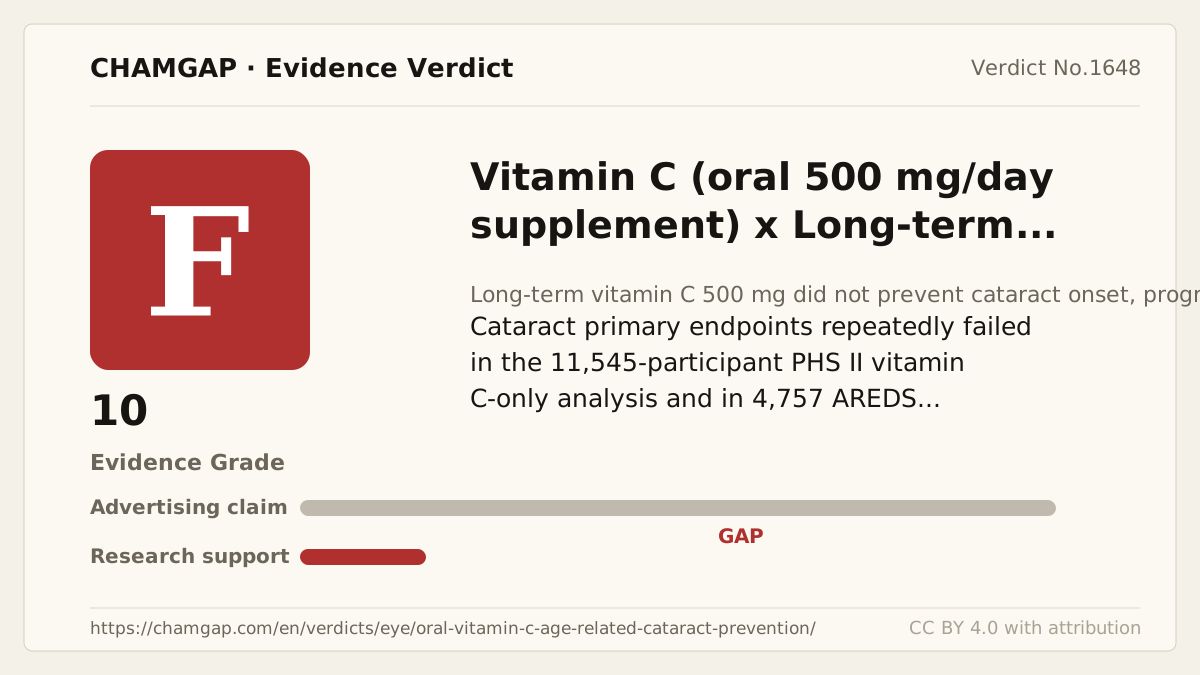
[Chamgap] Vitamin C 500 mg x prevention of age-related cataract — Evidence Grade F·10. 2 cited sources checked. Source: https://chamgap.com/en/verdicts/eye/oral-vitamin-c-age-related-cataract-prevention/ · CC BY 4.0CC BY 4.0 — free to use with attribution; do not distort grades, numbers, or verdict meaning.
What this document does and does not do
Chamgap is an information source. It reports what research has and has not confirmed; it does not tell readers what to take or buy. That decision belongs to readers and, when needed, medical or legal professionals. This verdict reflects literature available up to the search date and may change as new research appears. Nothing here is medical advice.