
Cooked whole ginkgo nuts,
does it really help with Improved memory?
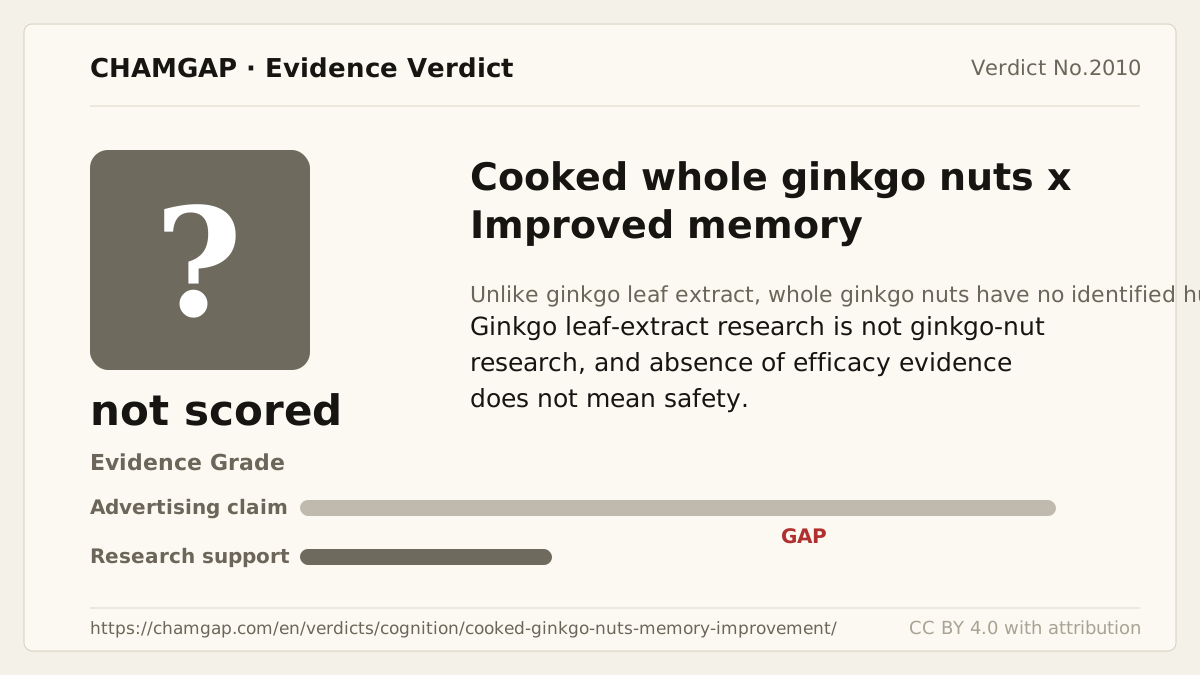
research showsThe grade is ?. No human study was identified that fed whole ginkgo nuts and measured memory or cognition. The clinical trials and systematic reviews found in the search used ginkgo leaf extracts, which cannot be transferred to the seed. Efficacy is unknown, while seizure toxicity after excessive intake is established.
ads claimSharing the plant name ginkgo does not allow leaf-extract trials to support cooked nuts.
Useful facts when choosing a product
- Ginkgo nuts contain 4′-O-methylpyridoxine, an anti-vitamin B6 compound that can disrupt vitamin B6 function and GABA synthesis.
- Vomiting, altered consciousness, and seizures have been reported after raw or excessive intake, with children particularly vulnerable. Recurrent seizures were reported in a two-year-old child.
- An adult case documented repeated generalized seizures after about 80 fried nuts, elevated blood toxin, and low pyridoxal phosphate.
- The checked case report describes the toxin as heat-stable, so cooking does not establish complete detoxification.
- Ginkgo nuts are documented edible foods in East Asian tradition. No specific classical chapter, volume, or quotation is asserted.
Chamgap Semantic Classification Code
Candidate index · review held
F.cooked-whole-ginkgo-nuts.food.memory.improve.UNKFoods and beverages > Cooked whole ginkgo nuts > Food consumption > memory > Improvement claim > Unknown
An automated migration candidate, not an issued permanent code; exact claim scope remains under review. This machine-generated migration candidate helps retrieval but is not a permanent assignment. The original verdict ID and URL remain authoritative.
What the research actually shows
PubMed and ClinicalTrials.gov searches were cross-checked with the 2026 Cochrane cognition review. That review covered 82 studies and 10,613 participants, but interventions were ginkgo leaf-derived preparations; no whole-nut feeding trial was identified. Verdict 052 is C with 45 points for ginkgo leaf extract and memory, cognition, and circulation; verdict 1539 is D with 23 points for the extract and glaucoma; verdict 498 is D with 25 points for tinnitus. All concern a different plant part.
Why this is classified as ?
No human memory or cognition trial of whole ginkgo nuts was identified, so the grade is ? with no score. Known seizure toxicity is assessed separately from efficacy.
Counterpoint. No efficacy claim is justified without a human cognition trial specifying dose and cooking method.
Rejudgment record. Cross-check applied — Cross-checked targeted PubMed and ClinicalTrials.gov searches, the leaf-preparation scope of the Cochrane review, and ginkgo-nut poisoning case reports
Sub-claim grades by effect
This ingredient is marketed for several effects. A single overall grade blends strong and weak claims together, so each effect is graded separately here. The overall grade reflects the strongest disconfirming or core claim.
| Effect (sub-claim) | Grade | Basis |
|---|---|---|
| Cooked ginkgo nuts improve memory | ? | No human cognition trial feeding the nut itself was identified. |
| Ginkgo nuts contain seizure-associated 4′-O-methylpyridoxine | ? | This is an established toxicology fact, not a graded efficacy outcome. |
Cross-check — AI research and Codex final gate
Evidence Table
| Study | Design | Sample | Funding | Endpoint | Result | Weight |
|---|---|---|---|---|---|---|
| Literature and trial-registry search on 2026-08-02 | Screening for memory and cognition outcomes after cooked whole ginkgo seeds | 0 eligible human studies | Not applicable | Memory and cognitive test scores | No eligible human study; every cognition trial retrieved used leaf-derived preparations | Search record documenting absence of human efficacy data for the seed itself |
Receipt — 4 References
All 4 cited sources were verified for existence at the original page (as of 2026-08-02).
Final verification and publication gate: Codex · Evidence date: 2026-08-02 · Corrections: none
Cite this verdict
[Chamgap] Cooked whole ginkgo nuts x memory improvement — Evidence Grade ?. 4 cited sources checked. Source: https://chamgap.com/en/verdicts/cognition/cooked-ginkgo-nuts-memory-improvement/ · CC BY 4.0CC BY 4.0 — free to use with attribution; do not distort grades, numbers, or verdict meaning.
What this document does and does not do
Chamgap is an information source. It reports what research has and has not confirmed; it does not tell readers what to take or buy. That decision belongs to readers and, when needed, medical or legal professionals. This verdict reflects literature available up to the search date and may change as new research appears. Nothing here is medical advice.