
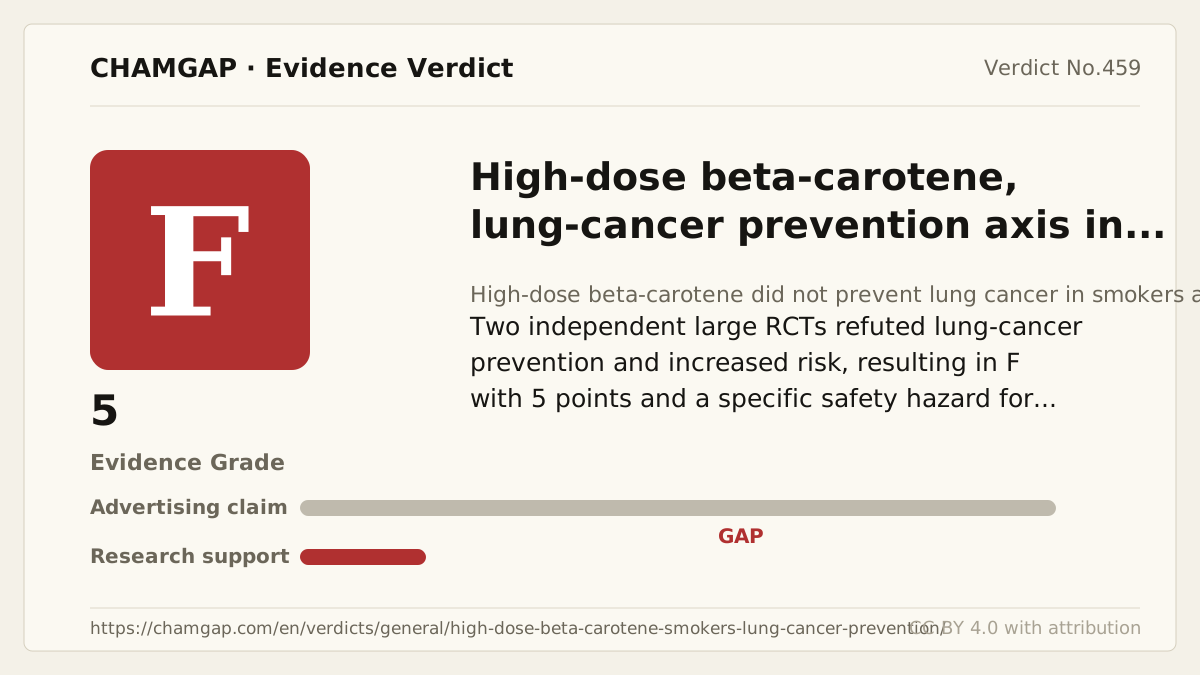
High-dose beta-carotene,
does it really help with Prevention of lung cancer in smokers?
research showsThe intervention not only failed to prevent lung cancer but repeatedly caused harm in smokers. Among 29,133 male smokers in ATBC, beta-carotene 20 mg/day increased lung-cancer incidence by 18%. In CARET, among 18,314 people at high risk because of smoking or asbestos exposure, beta-carotene 30 mg plus retinol increased lung-cancer risk by 28% and all-cause mortality by 17%, leading to early termination. Repeated refutation and formal recommendations result in F.
ads claimThe simple equation 'antioxidant equals cancer prevention' mixes observational evidence about vegetables with purified supplements. High-dose supplement exposure differs from the carotenoid mixture in food, and the clinical result in a smoking environment was the opposite of the expected benefit.
Useful facts when choosing a product
- Recognized nutritional functions for beta-carotene in South Korean health functional foods concern dark adaptation, formation of skin and mucosa, and epithelial growth and development, not prevention of lung cancer.
- ATBC used 20 mg/day, while CARET used beta-carotene 30 mg/day plus retinol 25,000 IU/day, exposures far above ordinary food intake.
- The original AREDS eye formula contained beta-carotene 15 mg, but AREDS2 used a lutein and zeaxanthin substitute formulation for people with a smoking history.
- Current smokers and people with substantial smoking history or asbestos exposure should not use high-dose beta-carotene supplements to prevent lung cancer. Smoking cessation and eligible low-dose CT screening are evidence-based strategies.
Chamgap Semantic Classification Code
Candidate index · review held
UNK.beta-carotene.UNK.lung-cancer-in-smokers.prevent.MULTIUnknown > beta-carotene > Unknown > lung cancer in smokers > Occurrence-prevention claim > Multiple: primary unresolved
An automated migration candidate, not an issued permanent code; exact claim scope remains under review. This machine-generated migration candidate helps retrieval but is not a permanent assignment. The original verdict ID and URL remain authoritative.
What the research actually shows
ATBC followed 29,133 male smokers aged 50 to 69 for five to eight years. Lung-cancer incidence was 18% higher among men assigned beta-carotene 20 mg/day than among those not receiving it. CARET gave 18,314 current or former smokers and asbestos-exposed workers beta-carotene 30 mg/day plus retinyl palmitate 25,000 IU/day; lung-cancer RR was 1.28 and all-cause mortality RR was 1.17, prompting termination 21 months early. Based on these harm trials, the USPSTF maintains a D recommendation against beta-carotene for cancer prevention.
Why this is classified as F (5)
Two independent large RCTs repeatedly refuted prevention on actual lung-cancer and mortality endpoints and established harm, resulting in F with 5 points. The food-versus-supplement distinction and smoking-related harm are stated separately under safety.
Counterpoint. Beta-carotene in foods and normal nutritional intake among nonsmokers are outside this verdict. The F rating is restricted to high-dose supplement use for lung-cancer prevention in smokers and high-risk groups.
Rejudgment record. New verdict — Large ATBC and CARET RCTs repeatedly refuted lung-cancer prevention and increased lung cancer and mortality among smokers and asbestos-exposed people
Cross-check — AI research and Codex final gate
Evidence Table
| Study | Design | Sample | Funding | Endpoint | Result | Weight |
|---|---|---|---|---|---|---|
| ATBC Study Group 1994 | Large randomized double-blind 2×2 factorial placebo-controlled trial | 29,133 | US NCI and Finnish public institutions | Lung-cancer incidence, lung-cancer mortality, and all-cause mortality | Beta-carotene 20 mg/day increased lung-cancer incidence by 18% and provided no prevention. | Decisive refutation |
| Omenn GS et al. 1996 (CARET) | Large multicenter randomized double-blind placebo-controlled trial | 18,314 | Public funding including the US NCI | Lung-cancer incidence and lung-cancer, cardiovascular, and all-cause mortality | Beta-carotene 30 mg plus retinol produced lung-cancer RR 1.28 and all-cause mortality RR 1.17; the trial stopped 21 months early. | Decisive refutation |
| USPSTF 2022 | Preventive-services evidence review and recommendation | Independent US federal recommendation body | Cancer and cardiovascular prevention and harms | Grade D recommendation against beta-carotene supplements for prevention of cancer or cardiovascular disease. | Regulatory guidance |
Receipt — 3 References
All 3 cited sources were verified for existence at the original page (as of 2026-07-18).
Final verification and publication gate: Codex · Evidence date: 2026-07-18 · Corrections: none
Cite this verdict
[Chamgap] High-dose beta-carotene x prevention of lung cancer in smokers — Evidence Grade F·5. 3 cited sources checked. Source: https://chamgap.com/en/verdicts/general/high-dose-beta-carotene-smokers-lung-cancer-prevention/ · CC BY 4.0CC BY 4.0 — free to use with attribution; do not distort grades, numbers, or verdict meaning.
What this document does and does not do
Chamgap is an information source. It reports what research has and has not confirmed; it does not tell readers what to take or buy. That decision belongs to readers and, when needed, medical or legal professionals. This verdict reflects literature available up to the search date and may change as new research appears. Nothing here is medical advice.