
Transdermal weight-loss patch,
does it really help with Reduced appetite, abdominal fat, and body weight through metabolic control simply by wearing the patch?
research showsZero human trials evaluate the patch for appetite, metabolism, abdominal fat, or body weight. The only material found consists of FDA and FTC regulatory records, and regulatory action is not an efficacy trial result, so it is not used as a basis for the grade and the verdict is ?.
ads claimMarketing uses natural herbs, acupoints, detoxification, or sustained release to imply proven skin penetration and systemic dosing. Testimonials, before-and-after pictures, and temporary water changes are not randomized human evidence of fat or weight loss.
Useful facts when choosing a product
- On 31 July 2026, searches of PubMed ("slimming patch" 0 records; "weight loss patch" OR "diet patch" 1 record; Fucus/Garcinia combined with patch and weight, appetite, or metabolism outcomes 0 records), ClinicalTrials.gov (product and ingredient searches 0 records), Cochrane Reviews (exact-phrase and ingredient searches 0 records each), and CRIS (Korean-language product and ingredient searches 0 records each) found no human efficacy trial measuring appetite, metabolism, abdominal fat, or body weight for a mixed-herb transdermal adhesive patch.
- Scope note: electrical-stimulation PENS and TENS wearable patches do have human trials. Abdel-Kadar 2016 randomized 135 participants and directly measured appetite on a visual analogue scale and body weight (PMID 27289457). That is a device delivering electrical stimulation at the T6 dermatome, not a patch delivering herbal ingredients through the skin, so it is a different intervention. This verdict is limited to mixed-herb adhesive patches.
- FDA lists unapproved transdermal weight-loss patches as health-fraud examples, and FTC has acted against skin-worn weight-loss advertising (FDA Health Fraud Product Database; FTC weight-loss advertising guidance). These are regulatory facts, not efficacy-grade evidence.
Chamgap Semantic Classification Code
Candidate index · review held
UNK.transdermal-slimming-or-weight-loss-patch.transdermal.appetite-abdominal-fat-and-body-weight-through-metabolic-control-simply-by-wearing-the-patch.reduce.UNKUnknown > Transdermal slimming or weight-loss patch > Transdermal > appetite, abdominal fat, and body weight through metabolic control simply by wearing the patch > Reduction claim > Unknown
An automated migration candidate, not an issued permanent code; exact claim scope remains under review. This machine-generated migration candidate helps retrieval but is not a permanent assignment. The original verdict ID and URL remain authoritative.
What the research actually shows
The over-the-counter transdermal weight-loss patch in FDA health-fraud materials lacked an approved new drug application and required evidence of effectiveness. In 2003, FTC began enforcement against seaweed-based Hydro-Gel Slim Patch and Slenderstrip claims of rapid and substantial weight loss without diet or exercise. In the 2004 Peel Away the Pounds matter, FTC alleged that claims of three to five pounds per week, effectiveness for all users, scientific proof, increased metabolism, appetite suppression, and reduced fat-cell production were false or unsubstantiated; the settlement required more than one million dollars in consumer redress. FTC's 2014 guidance lists substantial weight loss from a skin-worn or topical product among seven claims experts say cannot be true.
Why this is classified as ?
Zero human efficacy trials test appetite, metabolism, abdominal fat, or weight for the named patch, so the grade is ?. FDA and FTC material was excluded under rule ④.
Counterpoint. People seeking weight loss should assess weight, waist circumference, and comorbidities and choose sustainable dietary, physical-activity, and behavioral care, with approved medicines or surgery when appropriate and medically supervised.
Rejudgment record. New verdict — Applied ? because zero human efficacy trials test appetite, metabolism, abdominal fat, or weight for the named mixed-herb patch; FDA and FTC regulatory records were excluded under rule ④
Sub-claim grades by effect
This ingredient is marketed for several effects. A single overall grade blends strong and weak claims together, so each effect is graded separately here. The overall grade reflects the strongest disconfirming or core claim.
| Effect (sub-claim) | Grade | Basis |
|---|---|---|
| Reduced body weight | ? | No credible direct human efficacy trial was identified, and FTC explicitly classifies substantial weight-loss claims for skin-worn products as false. |
| Reduced abdominal fat | ? | No human evidence shows localized fat loss from patch placement, and transdermal absorption and effective dose are unproven. |
| Appetite suppression and increased metabolism | ? | FTC enforcement found the same mechanistic claims by actual patch marketers false or unsubstantiated. |
Cross-check — AI research and Codex final gate
Evidence Table
| Study | Design | Sample | Funding | Endpoint | Result | Weight |
|---|---|---|---|---|---|---|
| U.S. Food and Drug Administration health-fraud case example | Regulatory health-fraud case example and approval-status explanation | One over-the-counter transdermal weight-loss patch case | United States federal government | Approved new drug application and evidence of effectiveness | There was no approved new drug application; FDA issued a warning letter and stated that the skin-delivery dosage form required efficacy evidence. | Direct regulatory rebuttal |
| Federal Trade Commission weight-loss patch enforcement, 2003-2004 | False and unsubstantiated advertising enforcement and settlement | Marketing matters involving Hydro-Gel Slim Patch, Slenderstrip, and Peel Away the Pounds | United States federal government | Substantiation of substantial weight loss, appetite suppression, and increased metabolism claims | FTC alleged that the claims were false or unsubstantiated, and the Peel Away settlement required more than one million dollars in consumer redress. | Key repeated enforcement evidence |
| Federal Trade Commission Gut Check guidance, 2014 | Expert-informed guidance on false weight-loss advertising claims | Seven categories of weight-loss claims that cannot be true | United States federal government | Claims of substantial weight loss from products worn on or applied to the skin | Explicitly classified substantial weight-loss claims for patches, creams, wraps, and similar products as false. | Regulatory standard directly addressing the claim |
Receipt — 4 References
All 4 cited sources were verified for existence at the original page (as of 2026-07-23).
Final verification and publication gate: Codex · Evidence date: 2026-07-23 · Corrections: none
Cite this verdict
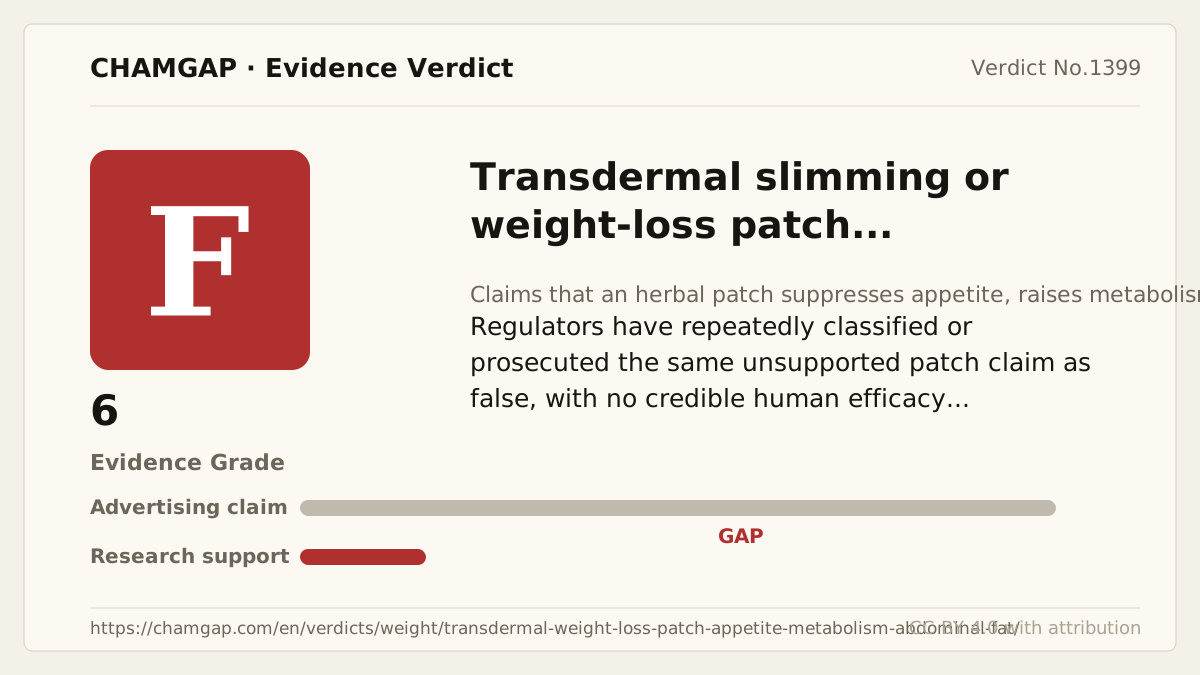
[Chamgap] Transdermal weight-loss patch x appetite control and reduced abdominal fat and body weight — Evidence Grade ?. 4 cited sources checked. Source: https://chamgap.com/en/verdicts/weight/transdermal-weight-loss-patch-appetite-metabolism-abdominal-fat/ · CC BY 4.0CC BY 4.0 — free to use with attribution; do not distort grades, numbers, or verdict meaning.
What this document does and does not do
Chamgap is an information source. It reports what research has and has not confirmed; it does not tell readers what to take or buy. That decision belongs to readers and, when needed, medical or legal professionals. This verdict reflects literature available up to the search date and may change as new research appears. Nothing here is medical advice.