
Phendimetrazine,
does it really help with Appetite suppression and sustained weight loss in adults with obesity?
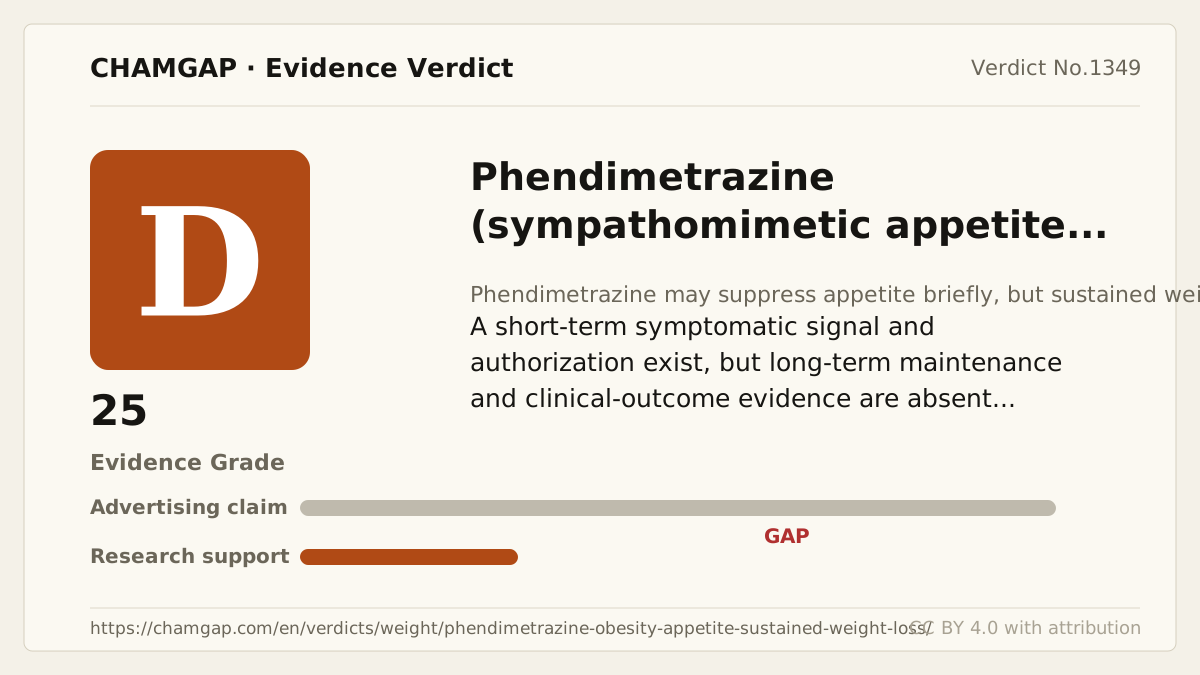
research showsPhendimetrazine is graded D because it is a short-term prescription adjunct to diet and behavioral treatment, with almost no independent long-term randomized evidence for sustained weight loss or maintenance. Old small 12-week trials provide a short-term signal, but no study met modern one-year standards, and labeling states that added loss is only a fraction of a pound per week and diminishes over time. Tolerance, dependence, insomnia, increased blood pressure and pulse, and cardiopulmonary concerns require a clear separation between short-term appetite suppression and long-term weight-loss claims.
ads claimPromotion may convert strong appetite suppression into sustained fat loss or rebound-free long-term control. The actual indication is a few weeks as an adjunct to caloric restriction, and tolerance plus the safety gap around repeated courses must remain visible.
Useful facts when choosing a product
- Phendimetrazine is a short-term, monotherapy prescription adjunct to diet, exercise, and behavioral treatment, not an authorized long-term weight-maintenance drug.
- Sympathomimetic effects include insomnia, agitation, dry mouth, palpitations, tachycardia, and increased blood pressure; cardiovascular disease and uncontrolled hypertension are contraindications.
- It is a United States Schedule III controlled substance with risks of tolerance, misuse, psychological dependence, and fatigue or depression after withdrawal from prolonged high doses.
- Use is contraindicated within 14 days of a monoamine oxidase inhibitor, during pregnancy, and with hyperthyroidism, glaucoma, or other anorectic and central nervous system stimulant drugs.
Chamgap Semantic Classification Code
Candidate index · review held
M.phendimetrazine.UNK.appetite-suppression-and-sustained-weight-loss-with-obesity.assess.MULTIMedicinal interventions > Phendimetrazine > Unknown > Appetite suppression and sustained weight loss with obesity > Association or change assessment > Multiple: primary unresolved
An automated migration candidate, not an issued permanent code; exact claim scope remains under review. This machine-generated migration candidate helps retrieval but is not a permanent assignment. The original verdict ID and URL remain authoritative.
What the research actually shows
The Yanovski review assessed obesity-drug trials lasting at least one year but found none of the older sympathomimetics, including phendimetrazine, that met inclusion standards. Phendimetrazine evidence consisted mainly of completer analyses from two small 12-week trials, with no long-term cardiovascular-outcome evidence. FDA labeling notes that anorectic drugs add only a fraction of a pound per week over diet plus placebo in short studies and that the rate falls over subsequent weeks. Evidence is still needed for maintenance, regain, and cardiovascular safety.
Why this is classified as D (25)
A short-term appetite and weight signal exists, but evidence consists of a weeks-long indication and small completer analyses without one-year maintenance, patient-centered clinical outcomes, or independent safety data. The chronic sustained-weight-loss claim receives D with 25 points.
Counterpoint. A tightly selected and monitored short course may have a symptomatic role, but absent response or tolerance should prompt discontinuation and redesign of the long-term management plan, not escalation or repeated courses.
Rejudgment record. New verdict — Accepted a short-term appetite and weight signal but separated it from sustained weight loss because only small 12-week completer analyses are available, no modern long-term randomized or maintenance and clinical-event evidence exists, and tolerance, dependence, and cardiovascular harms remain
Sub-claim grades by effect
This ingredient is marketed for several effects. A single overall grade blends strong and weak claims together, so each effect is graded separately here. The overall grade reflects the strongest disconfirming or core claim.
| Effect (sub-claim) | Grade | Basis |
|---|---|---|
| Short-term appetite suppression with phendimetrazine | D | A short-term indication and initial signal exist, but modern independent randomized quantification is sparse. |
| Sustained weight loss with phendimetrazine | D | No randomized trial lasting at least one year supports extending small short-term loss into sustained efficacy. |
| Maintenance of weight loss after phendimetrazine | D | Reliable long-term evidence on post-discontinuation maintenance or regain is absent. |
Cross-check — AI research and Codex final gate
Evidence Table
| Study | Design | Sample | Funding | Endpoint | Result | Weight |
|---|---|---|---|---|---|---|
| Yanovski SZ and Yanovski JA. 2014 | Systematic and clinical review of long-term drug treatment for obesity | Placebo-controlled randomized trials of at least one year; zero eligible long-term phendimetrazine trials | United States NIH intramural support | One-year weight loss, maintenance, and cardiovascular risk | Phendimetrazine was represented only by completer analyses from two small 12-week trials and had no trial meeting long-term standards. | Key assessment of the long-term evidence gap |
| FDA phendimetrazine tartrate labeling | Regulatory summary of clinical pharmacology, indication, and safety evidence | Relatively short clinical trials supporting an indication of a few weeks | Regulatory labeling | Short-term weight loss, tolerance, dependence, and cardiovascular harms | Added loss is only a fraction of a pound per week, diminishes over time, and the total long-term impact is described as clinically limited. | Regulatory evidence defining short-term scope and safety |
Receipt — 2 References
All 2 cited sources were verified for existence at the original page (as of 2026-07-23).
Final verification and publication gate: Codex · Evidence date: 2026-07-23 · Corrections: none
Cite this verdict
[Chamgap] Phendimetrazine x appetite suppression and sustained weight loss in adults with obesity — Evidence Grade D·25. 2 cited sources checked. Source: https://chamgap.com/en/verdicts/weight/phendimetrazine-obesity-appetite-sustained-weight-loss/ · CC BY 4.0CC BY 4.0 — free to use with attribution; do not distort grades, numbers, or verdict meaning.
What this document does and does not do
Chamgap is an information source. It reports what research has and has not confirmed; it does not tell readers what to take or buy. That decision belongs to readers and, when needed, medical or legal professionals. This verdict reflects literature available up to the search date and may change as new research appears. Nothing here is medical advice.